
 Storage buildings are convenient for storing tools, seasonal items, and outdoor equipment. However, without proper care, these structures can develop mold, especially in damp or poorly ventilated conditions. Mold growth not only damages your belongings but can also attract pests such as rodents or insects. Understanding how mold develops and taking preventive measures will keep your building clean, safe, and functional.
At Shed Crazy we specialize in designing high-quality storage buildings for customers in Delaware and nearby regions. Our buildings are constructed with durability, proper ventilation, and moisture control in mind, helping homeowners reduce the risk of mold and pests. From selecting the right building to maintaining it properly, we guide you every step of the way.
Why Mold Develops in Storage Buildings
Mold thrives in warm, damp, and poorly ventilated areas, which makes storage buildings a potential hotspot if not properly maintained. Mold can appear as black, green, or white spots on walls, floors, or even stored items. You might notice a musty smell or see discoloration on cardboard boxes, fabrics, or wooden tools.
High humidity, water leaks, and poor airflow all contribute to mold growth. Even if your building looks dry, Delaware’s climate with its frequent rain and high humidity can create moisture pockets that encourage mold.
Mold not only damages belongings but can also attract pests like rodents or insects. Addressing moisture first is key. Understanding how to prevent mold in a storage shed protects your items and creates a safer, healthier storage space.
How Can You Avoid Mold in Your Storage Building?
Prioritize Ventilation
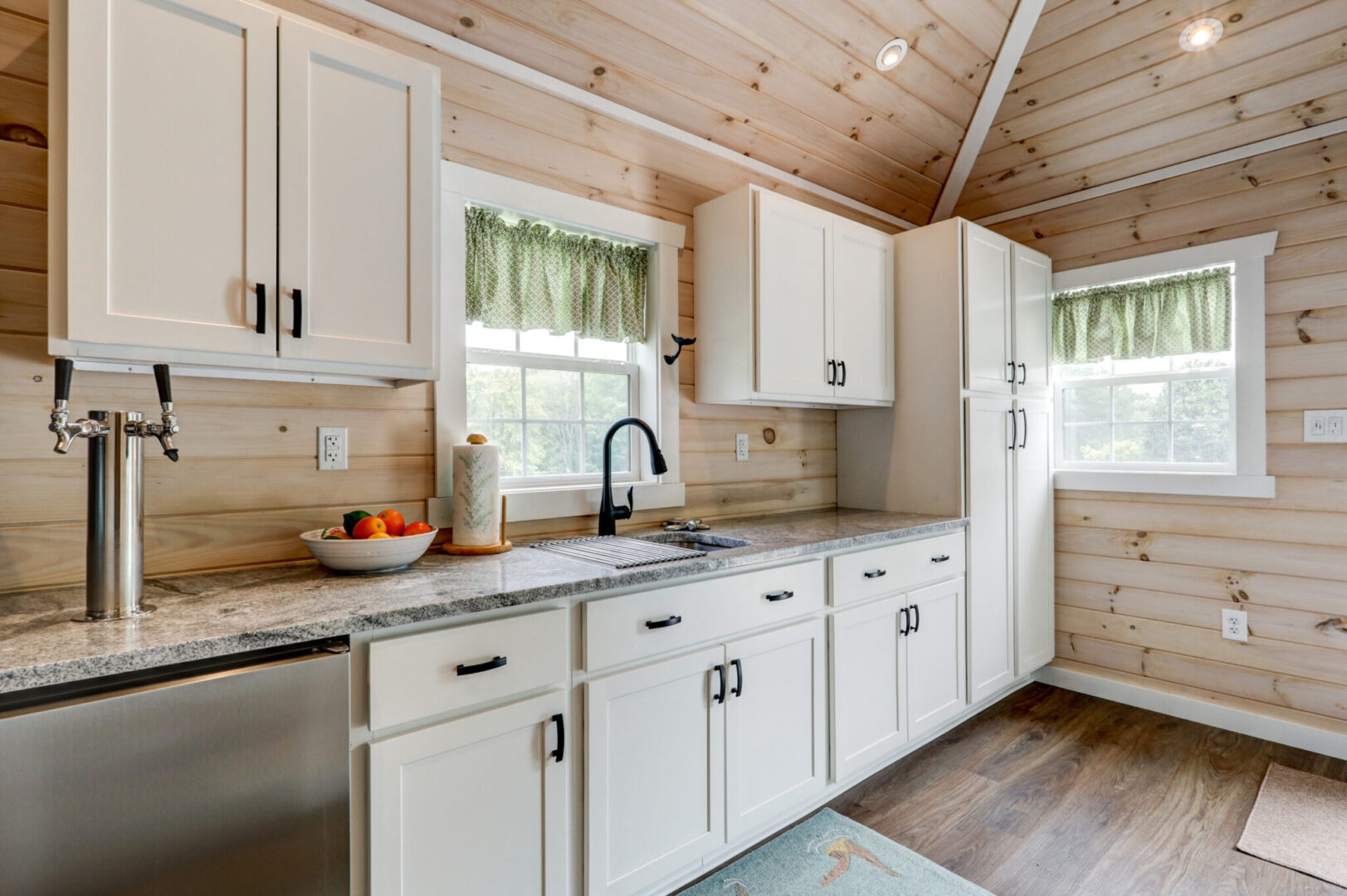 Proper airflow is the first line of defense against mold. When air circulates, it helps reduce humidity and keeps the building dry. Consider:
- Installing roof vents or gable vents
- Using windows that open to allow fresh air
- Leaving a small gap under doors or using louvered panels to promote circulation
Dry buildings are less attractive to mold and pests. Good ventilation is one of the simplest yet most effective ways to protect your structure.
Use Sealed Storage Containers
- Store items off the floor on shelves or pallets to reduce contact with damp surfaces
- Avoid stacking boxes directly on each other; this allows airflow between items
- Keep seasonal or rarely used items in sealed containers to prevent long-term moisture exposure
Monitor Humidity and Moisture
Regular inspections help you catch problems early. Check your building for:
- Signs of water leaks around doors, windows, or roof seams
- Damp spots or discoloration on walls or flooring
- Musty odors indicating mold growth
If you notice damp areas, address them immediately by improving drainage, adding ventilation, or using moisture-absorbing products like silica gel packs or desiccant bags.
Maintain Cleanliness
A clean building is less likely to develop mold. Keep:
- Fallen leaves and debris away from the perimeter
- Clutter organized to allow airflow
- Regular sweeping and cleaning routines to prevent dust and moisture buildup
This simple step prevents mold spores from settling and growing.
Choose the Right Location
Where you place your storage building has a big impact on mold prevention:
- Avoid low-lying areas prone to flooding
- Place buildings away from standing water or dense vegetation
- Slightly elevate the structure to improve drainage and reduce ground moisture
Proper placement reduces humidity exposure and makes your storage building easier to maintain.
Invest in Quality Shed Construction
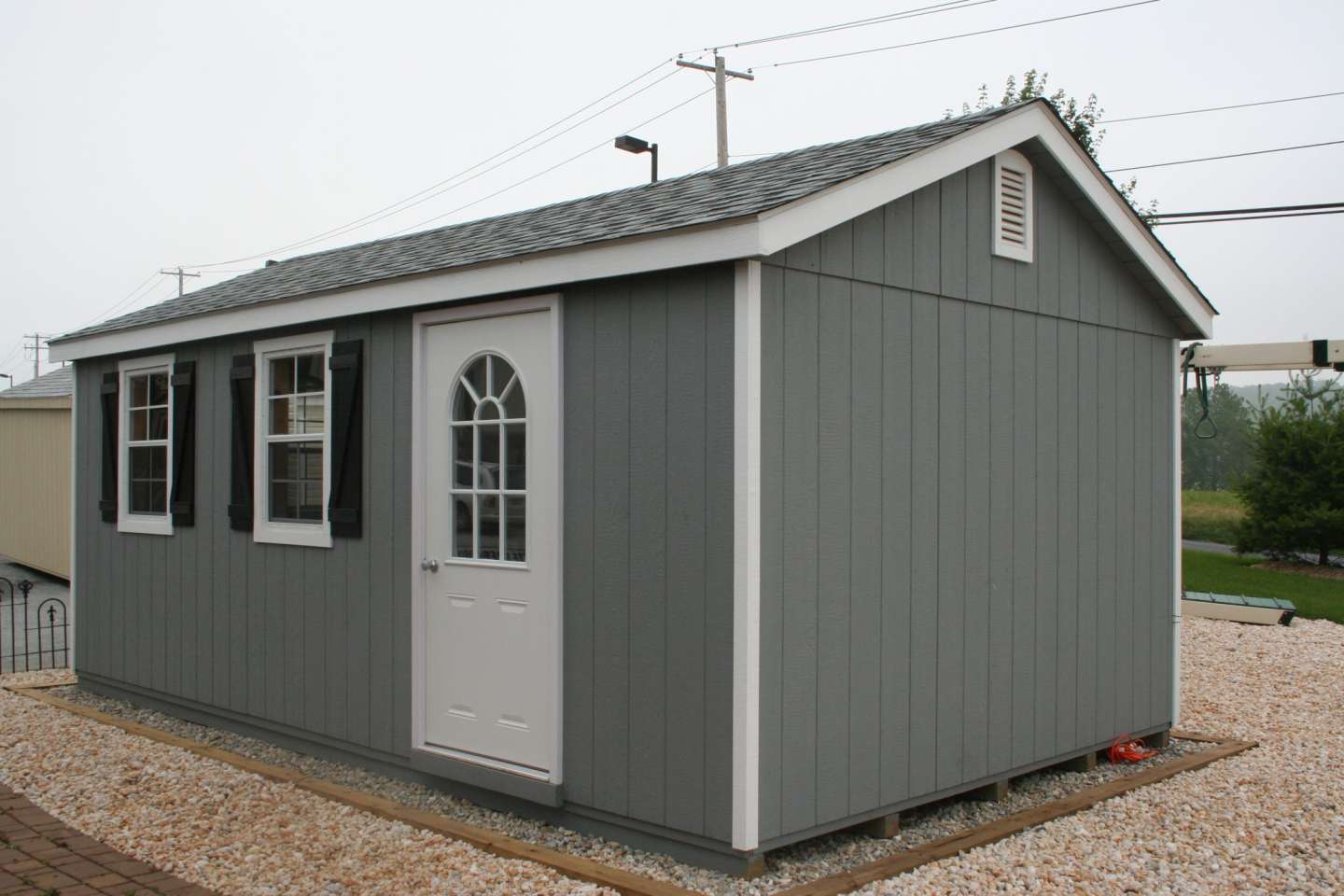 The design of your storage building can help prevent mold before it starts:
- Elevated floors keep stored items away from damp ground
- Tight seams and weather-resistant materials limit water entry
- Properly sealed doors and windows reduce moisture intrusion
- Built-in ventilation systems ensure airflow throughout the year
Storage shed builders like Shed Crazy designs storage buildings specifically for Delaware’s climate to stay dry, mold-free, and long-lasting. Even without purchasing a new building, upgrading ventilation or sealing gaps in your existing one can make a significant difference.
Common Questions About Mold in Storage Buildings
Can Mold Grow Without Visible Water Damage?
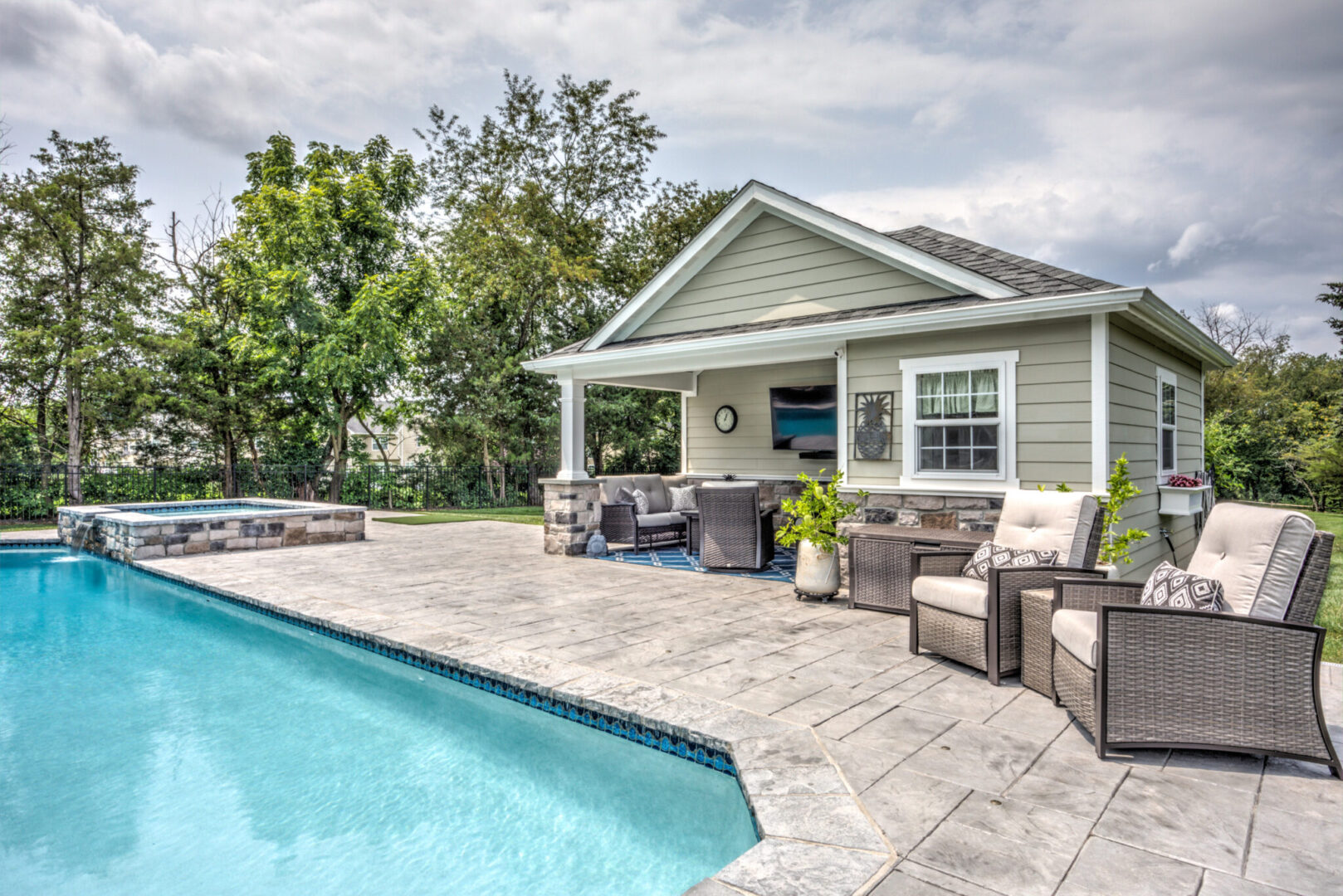 Yes. High humidity alone can create mold growth. Proper ventilation and storage practices are essential.
How Often Should You Inspect Your Building?
At least every few months, especially after heavy rain or high humidity periods.
Can Pests Contribute to Mold?
Indirectly, yes. Rodents or insects can damage containers or insulation, allowing moisture in and creating spots for mold to grow.
What Role Does Storage Location Play?
Where your building is placed can affect pest and mold problems. Avoid areas near overgrown vegetation or standing water. Positioning your storage building on slightly elevated ground improves drainage and minimizes damp conditions.
How Does Design Affect Pest Control?
Buildings with solid construction, tight seams, and elevated floors are harder for pests to access. Properly installed doors and windows with secure seals reduce entry points.
Customer Reviews
“Great experience with the folks at Shed Crazy! Jenn and Steve are very friendly and helpful, and they go the extra mile to make sure everything is just how you envisioned. We love how our shed turned out & would highly recommend to anyone in the market!” – Kevin Clark
“Our neighbors got their shed from Jen and Steve, Capitol Buildings/ Shed Crazy. they were so pleased, that we were convinced they would be our choice as well. We love our Shed. High quality product and they proved to us they stand by their product with outstanding customer service. if you want a good quality shed from trustworthy people You’re in the right place.” – Rick Rock
“Jenn and Steve are great. We looked around at many different shed places before we decided to buy from Shed crazy. They offer an amazing level of customer service and provide a great product. The build quality is great and that is important with a shed because the last thing you want is to have a shed rot in a few years.” – Brian C.
Delaware and Surrounding Areas
Delaware and nearby areas such as Dover, Wilmington, and Newark have a humid climate, which can increase the risk of pests and mold in mini barn storage sheds. This makes local expertise essential. Shed Crazy understands the Delaware climate and knows how to design sheds that remain dry, pest-free, and mold-resistant throughout the year. We provide guidance on proper ventilation, storage solutions, and maintenance tips specific to this region.
FAQ
- How do I know if pests are in my shed?
Look for droppings, chewed materials, or unusual smells. Hearing noises at night can also indicate pests. - Can mold grow without visible water damage?
Yes. High humidity alone can cause mold, making ventilation and moisture control essential. - Are mini barn storage sheds harder to protect from pests?
Not if you follow preventive measures like sealing gaps, using storage bins, and keeping the shed dry. - Should I treat my shed with chemicals?
It is not necessary if you focus on cleanliness, proper storage, and natural deterrents. - How often should I clean and inspect my shed?
At least once every few months, and especially after periods of heavy rain or high humidity.
How Can You Keep Your Storage Building Mold-Free?
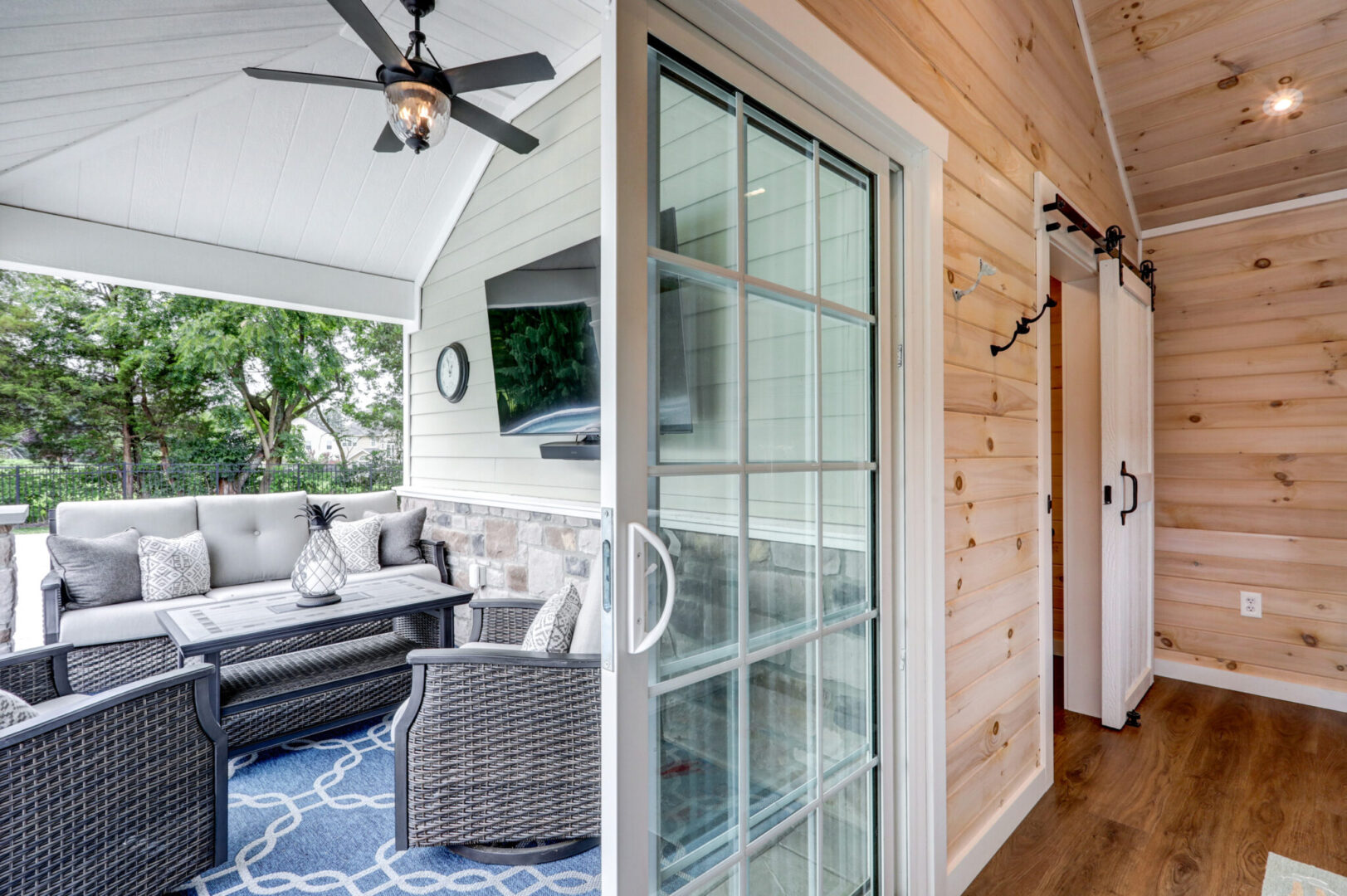 Preventing mold in your storage building is easier than you think. With proper ventilation, storage practices, and routine inspections, you can protect your belongings and maintain a clean, safe environment.
At Shed Crazy, we combine high-quality shed construction with expert advice to keep your shed dry, organized, and mold-resistant. Pests are secondary, and controlling moisture keeps both mold and pests under control. Contact us today for a custom storage building designed for Delaware’s climate and enjoy worry-free storage for years to come.
Enjoyed this article? Share it with your friends and neighbors on your social media and help others learn how to protect their storage buildings from pests and mold.